
Why praising effort builds stronger children
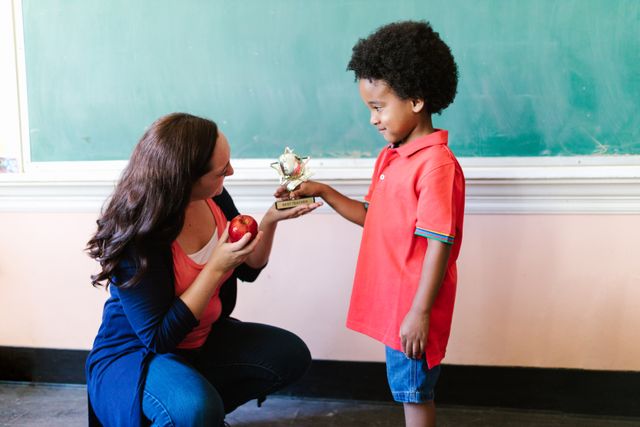
Every parent wants their child to feel capable. So we tell them they are smart, talented and brilliant, hoping the words will build confidence. Research suggests that kind of praise can quietly do the opposite.
What the research found
In 1998, psychologists Claudia Mueller and Carol Dweck at Columbia University ran a series of studies with primary school children. Each child solved a set of puzzles, then received one sentence of praise. Some were told they must be smart. Others were told they must have worked hard.
When the children were offered a choice of next task, most of those praised for effort chose a harder one they could learn from. Many of those praised for intelligence chose an easier one, so they could keep looking smart. After everyone then faced a difficult set of problems, the children praised for intelligence enjoyed the work less, performed worse afterwards and were more likely to exaggerate their scores. One sentence of praise had changed how they responded to struggle.
Why it works this way
When we praise a fixed quality like intelligence, children learn that their worth depends on looking capable. Every mistake becomes a threat. When we praise effort, strategy and persistence, children learn that struggle is part of growing, something they can do something about.
How to praise effort well
Describe what you saw. “You checked every answer before handing it in” is far more useful than “Brilliant.” It shows your child exactly what worked.
Praise the choices along with the outcome. “You tried a different way when the first one didn’t work” teaches problem solving and resilience together.
Notice character as much as achievement. Kindness, honesty, patience and courage deserve recognition just as much as good marks. “You told the truth even though it was hard” builds something far deeper than a good report card.
Keep it sincere. Children know when praise is automatic. Praise that is specific and honest carries weight because it is earned.
A small change with a long reach
Changing how you praise takes practice, especially if “good job” has become a habit. Start with one specific comment a day. Over time you will raise children who keep going when things get hard, because they learned from you that the effort was what mattered.