
Five gratitude rituals for busy families
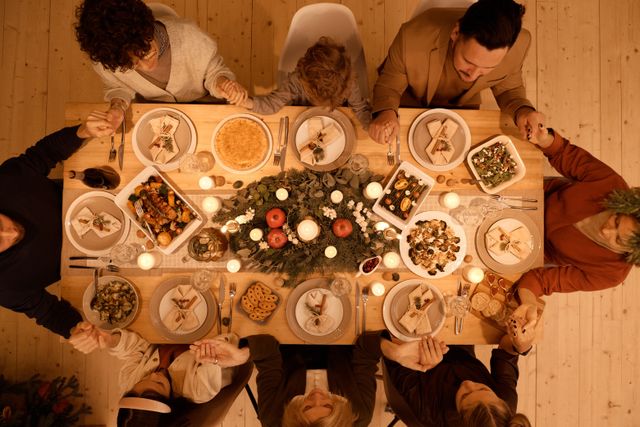
Most families do not lack gratitude. They lack time to stop and say it. Between school runs, work deadlines and the washing that never ends, appreciation gets pushed to the edges of the day. The answer is a ritual small enough to survive a busy week. Here are five we recommend to the families we coach. Choose one and keep it for a month before adding another.
1. One good thing at dinner
Before anyone leaves the table, each person names one good thing from their day and one person who helped make it good. Keep it to a sentence. Young children may give the same answer every night for a while, and that is fine. They are learning the shape of the habit.
2. The family thank you board
Put a small board or a sheet of paper on the fridge. Anyone can write a note thanking anyone else, and nobody has to wait for a special occasion. Children love finding their name on it, and adults often find it moves them more than they expect.
3. The Sunday message
For families with teenagers or older children living away, a shared message thread works well. Each Sunday evening, everyone posts one thing they appreciated about another family member that week. It keeps connection alive across busy schedules and different houses.
4. Who helped you today?
At bedtime, ask your child one question: who helped you today? It turns their attention towards the people around them, the teacher, the friend, the sibling, and ends the day on something good rather than on what went wrong.
5. The appreciation evening
Once a month, set aside an evening where each family member takes a turn in the centre while everyone else says one thing they appreciate about them. It can feel awkward the first time. By the third month, most families tell us it has become the evening the children ask for.
Choose one and keep it
None of these rituals takes more than ten minutes. What makes them work is repetition. Pick the one that fits your home best, keep it for four weeks, and pay attention to what shifts in the way your family speaks to one another.