
Gratitude is a habit before it is a feeling
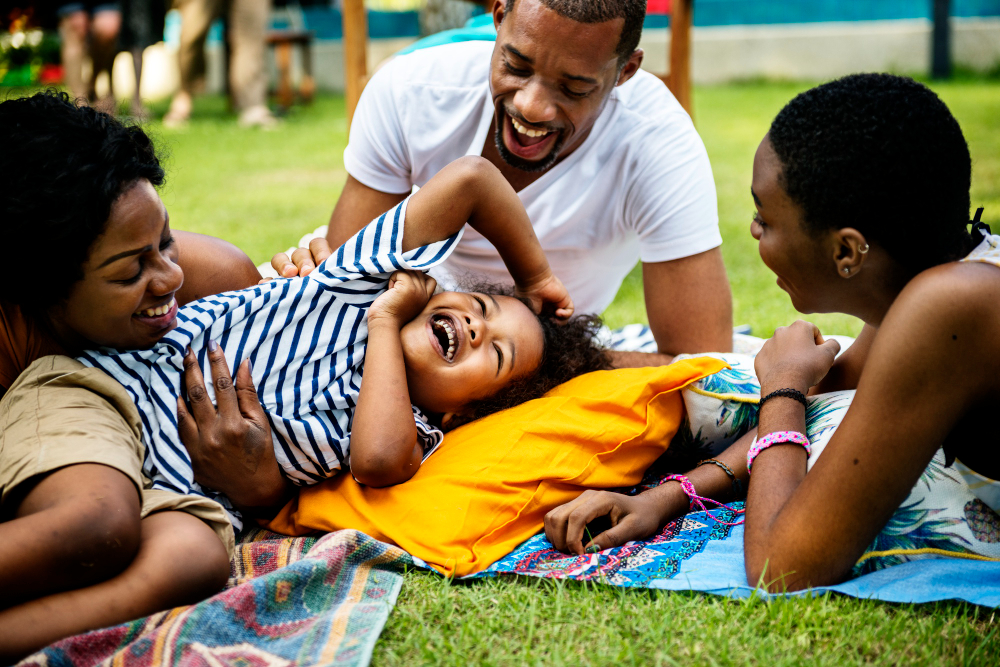
Many parents tell us they want their children to be more thankful. When we ask what gratitude looks like in their home on an ordinary Tuesday, the room usually goes quiet. Gratitude is something most of us hope our children will feel, yet very few families have given it a regular place in the week.
Feelings follow practice
Gratitude works much like any other family habit. A child does not wake up wanting to brush their teeth. They do it because it happens every night at the same time, until it becomes part of who they are. Appreciation grows the same way. When saying thank you is practised regularly, children begin to notice the kindness around them, and the feeling follows the habit.
There is good research behind this. In a 2003 study, psychologists Robert Emmons and Michael McCullough asked one group of adults to write down a few things they were grateful for each week, while other groups wrote about daily hassles or ordinary events. After ten weeks, the gratitude group felt better about their lives as a whole and more hopeful about the week ahead. Nothing in their circumstances had changed. What changed was what they had trained themselves to notice.
What a grateful home sounds like
It is rarely dramatic. It sounds like a father thanking his teenager for taking the bins out without being asked. It looks like a mother telling her husband, in front of the children, that she saw how patiently he handled bedtime. It is a family that pauses at the end of a meal so each person can name one good thing from their day. These moments are small, but children are always watching what the adults in the home choose to notice.
Where to begin
Start with one ritual that fits a rhythm you already have. If you eat together, use the meal. If mornings are rushed but bedtime is calm, use bedtime and ask each child to name one person they are thankful for that day. If your family rarely shares a room, a family message thread where everyone posts one thank you each Sunday works surprisingly well with older children.
Then model it out loud. Children copy what they hear far more than what they are told. When you thank your spouse, your child or the person who served you in a shop, say it clearly and say why.
Keep it light as well. Gratitude that is demanded on the spot often feels like a performance to a child. Gratitude that is invited, with no pressure on the answer, grows into something they own.
A habit worth protecting
A family culture is simply what a family does again and again. If you want a grateful home, give gratitude a fixed place in your week and protect it the way you protect mealtimes and the school run. The feeling will come. It usually arrives quietly, on the evening your child thanks you for something you never expected them to notice.