
Your family culture will outlast every conflict. Build it carefully.
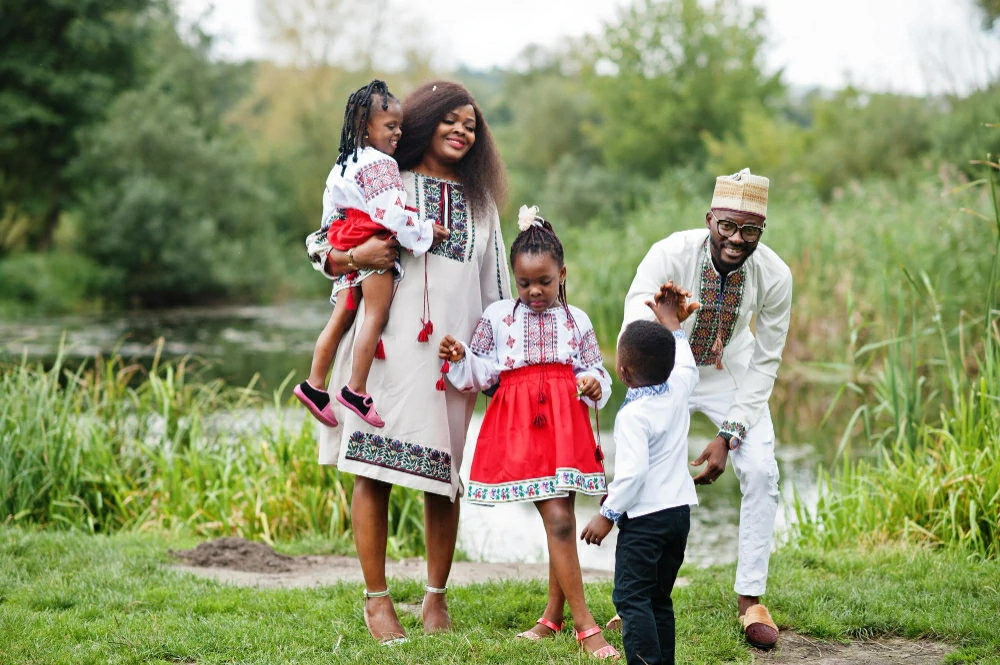
Culture is powerful because it’s invisible. It’s the water your family swims in. The way things are done here. The unspoken rules. What gets celebrated. What gets ignored. What’s safe. What’s dangerous.
Most families never explicitly discuss their culture. They just live it. And they wonder why their teenager acts the way they do, not realising they’re replicating the culture they’ve been marinating in.
Intentional families do something different. They name their culture. They talk about what matters here. They make decisions based on that clarity. They evaluate new situations by asking “is this consistent with who we are?”
A family that values honesty over harmony will handle conflict differently than a family that values peace at any cost. A family that values individual expression will make different choices about clothing and aesthetics than a family that values uniformity. A family that values curiosity will respond differently to mistakes than a family that values perfection.
Your teenager is internalising these values. They’re building a template for how to be in relationship. For what’s acceptable. For what matters. For what they can expect when they’re vulnerable. For whether they belong.
This month, you’ve implemented three powerful culture-building practices. Family meetings have created systems for collaborative decision-making. Rituals and traditions have created belonging. Micro-connections have demonstrated presence and acceptance.
These practices compound. They reinforce each other. A family that has regular meetings, honours rituals, and prioritises micro-connections will develop a culture of inclusion. Everyone feels heard. Everyone matters. Problems get addressed rather than festering.
But consistency is key. A family meeting once feels meaningful. Family meetings weekly become culture. A ritual done occasionally is nice. A ritual maintained over years becomes identity. A moment of presence is pleasant. Consistent presence becomes the foundation of belonging.
Your teenager won’t remember every conversation. They will remember how it felt to be in your family. Whether they mattered. Whether they could be honest. Whether they belonged. That feeling becomes their template for relationships.
So what culture are you building? Is it intentional? Does it match your values? Does it create the environment where your teenager can thrive?